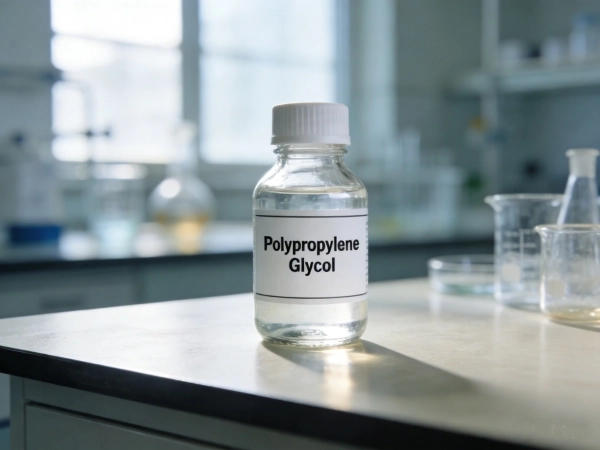
Polypropylene glycol (PPG) is a synthetic polymer produced by the polymerization of propylene oxide. Unlike propylene glycol, PPG is typically a liquid of varying viscosity depending on its molecular weight, and it is widely used as a lubricant, solvent, and in industrial formulations. You may find PPG in industrial coatings, hydraulic fluids, antifreeze formulations, and personal care products like lotions or hair conditioners. Understanding its prevalence helps clarify potential human exposure.
PPG is not intended for ingestion, and the human body metabolizes it much more slowly than PG. Studies suggest that small dermal or incidental exposure is unlikely to cause systemic toxicity, as PPG has low absorption through the skin. Inhalation of aerosols or high-concentration exposure in industrial settings may pose risks such as respiratory irritation, but overall, PPG exhibits low acute toxicity in typical usage scenarios.
Global agencies like the U.S. Environmental Protection Agency (EPA) and the European Chemicals Agency (ECHA) classify PPG as having low toxicity, but they emphasize safe handling in industrial contexts. For cosmetics and personal care products, concentrations are generally capped, and labeling standards require precautions to avoid high-dose or chronic exposure. Regulatory frameworks prioritize worker safety and consumer protection rather than limiting trace exposure in formulated products.
Although PPG is considered low-risk, some individuals may experience skin or eye irritation, especially when exposed to high concentrations in cosmetics or industrial products. Rare allergic responses are possible but uncommon. Patch testing cosmetic formulations containing PPG is recommended for those with sensitive skin. Awareness of these sensitivities ensures safe use without overestimating risks.
PPG is predominantly used in industrial applications, including as a component in lubricants, hydraulic fluids, and de-icing agents. In cosmetics, it functions as a moisturizer, emollient, or solvent. Scientific studies indicate that incidental human exposure in these applications is generally safe, provided proper handling guidelines are followed. Misconceptions often arise because PPG is synthetic, but research supports its safety profile in regulated concentrations.
Polypropylene glycol is a versatile chemical with widespread use in industrial, cosmetic, and personal care applications. Current scientific evidence and regulatory guidance suggest that PPG is safe for humans under typical exposure conditions, though industrial handling requires precautions. Understanding the difference between PPG and PG is essential to avoid confusion and accurately assess safety.